Dawadawa: Ghana’s Beloved...
June 24, 2026

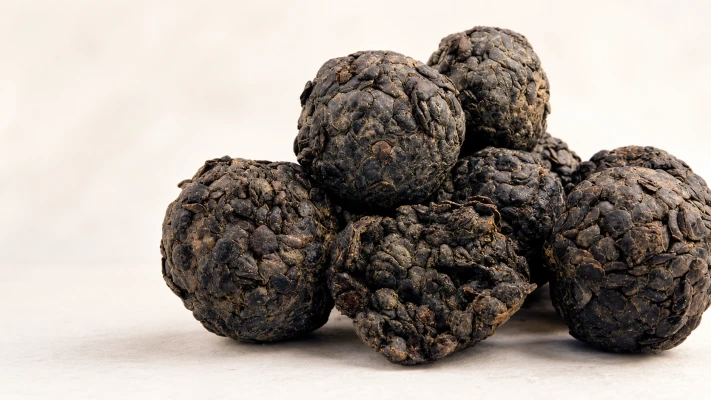
Dawadawa is one of Ghana’s most recognizable traditional food ingredients, especially in the northern parts of the country. It is a fermented seasoning usually made from the seeds of the African locust bean tree.
After the seeds are boiled, dehulled, and fermented, they develop a strong smell and a deep, savoury taste. For many people, that aroma is part of what makes dawadawa special.
It is not just a seasoning; it is a food heritage passed through homes, markets, and community kitchens.
In Ghanaian cooking, dawadawa is often used to add depth and richness to soups, stews, and sauces. It is common in dishes such as tuo zaafi soup, ayoyo soup, okro soup, groundnut soup, and other traditional meals.
A small amount can change the taste of an entire pot, giving food a strong, earthy, and satisfying flavour. Because of this, dawadawa is sometimes seen as a natural flavour enhancer, long used before modern seasoning cubes became common in many kitchens.
We eat dawadawa not only for its taste but also for its nutritional value. As a seed-based product, it contributes plant-based protein and other nutrients to meals.
In many communities, this ingredient is highly valued for its practicality in everyday cooking, especially for large families.
Its fermentation also gives it a unique character, making it part of a wider African tradition of using fermented foods to preserve ingredients and improve flavour.
Dawadawa remains vital as it connects food with cultural identity. For many Ghanaians, its aroma evokes memories of home, family meals, and traditional cooking.
While some may initially find the scent strong, countless others appreciate the flavour it adds to dishes and the cultural significance it embodies.
In an era when people are increasingly embracing natural and local ingredients, dawadawa serves as a reminder that Ghanaian cuisine is rich, resourceful, and deeply rooted in tradition.
June 24, 2026

June 16, 2026
November 26, 2025

November 26, 2025

November 24, 2025

November 21, 2025

November 21, 2025

November 19, 2025

November 19, 2025

November 17, 2025