Dawadawa: Ghana’s Beloved...
June 24, 2026

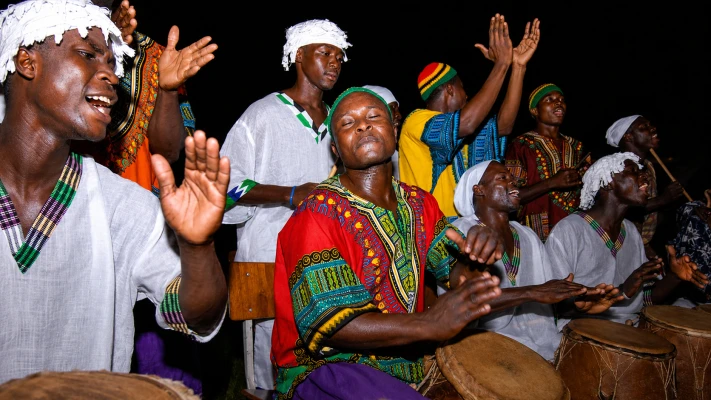
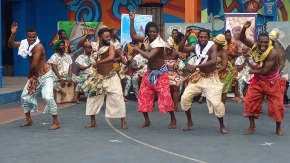
In Ghana, music is much more than entertainment; it is a powerful tool for bringing people together, lifting spirits and creating a sense of belonging. One of the most vibrant examples of this is jama, sometimes written as gyama or djama.
Jama combines singing, chanting, clapping, drumming and dancing in a lively, participatory style that encourages unity and excitement.
Commonly heard at school events, football matches, church programmes and community gatherings, jama usually follows a call-and-response pattern in which a leader sings or chants a line, and the crowd responds. Its simple rhythms and catchy lyrics make it easy for everyone to join in, turning spectators into active participants.
Jama has particularly strong roots in Ghana’s secondary school boarding culture, where generations of students developed songs and chants to support their houses, celebrate victories and build school spirit. It became a central feature of inter-house sports competitions, entertainment nights, school processions and alumni gatherings.
A study conducted by the University of Cape Coast on Gyama Songs in Ghanaian schools finds that the creativity of secondary school students primarily shaped this tradition before it spread to broader Ghanaian society.
Over time, Jama has influenced popular music genres such as hiplife and gospel, showcasing its enduring impact on the country's cultural landscape.
At its core, jama is a morale booster. It inspires confidence, energises groups and creates a shared sense of purpose. This is especially evident in Ghanaian sports culture, where jama is used to encourage athletes and rally supporters.
Football fans, particularly supporters of the Black Stars, often use songs, chants and drumming to motivate the national team and create an electrifying atmosphere.
The tradition has become so closely linked with football that Ghanaian musicians frequently release songs to support the Black Stars during major tournaments, highlighting the deep connection between music and sport in Ghana.
One reason Jama has endured for generations is its flexibility and inclusiveness. Anyone can participate regardless of age or musical ability, and songs can be adapted to suit schools, sports teams, churches, political campaigns or community events.
Lyrics may be sung in Twi, Ga, Ewe, Fante, English, Ghanaian Pidgin or a combination of languages, often drawing inspiration from traditional rhythms, church music, highlife, hiplife and gospel.
Today, jama remains a vibrant part of Ghanaian life, heard in university halls, stadiums, youth gatherings and public celebrations. More than just music, it reflects Ghana’s culture of togetherness and continues to unite people through shared rhythm, energy and community spirit.
June 24, 2026
June 16, 2026
November 26, 2025

November 26, 2025

November 24, 2025

November 21, 2025
November 21, 2025
November 19, 2025
November 19, 2025
November 17, 2025