
Ghana Supporters Union: The...
June 25, 2026

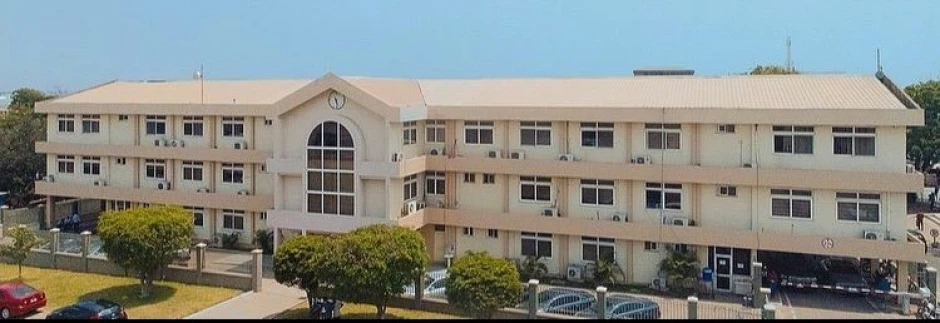
Korle Bu Teaching Hospital is one of Ghana’s most important public institutions. For more than a century, it has stood as a place of healing, medical training, research and national service.
Located in Accra, Korle Bu is widely known as Ghana’s premier teaching hospital and one of the most recognised hospitals in West Africa.
For many families, the name Korle Bu carries deep meaning because it is often the place where difficult medical cases are referred, where lives are saved, and where generations of Ghanaian health professionals have been trained.
Korle Bu Teaching Hospital was established on 9 October 1923 during the colonial period of the Gold Coast. It was built under the administration of Sir Frederick Gordon Guggisberg, then Governor of the Gold Coast, as part of efforts to expand public infrastructure and improve access to medical care.
The name Korle Bu comes from the Ga language and is commonly understood to mean “the valley of the Korle Lagoon.”
When it was established, the hospital was recognised as a general hospital, starting with around 200 beds. Its purpose was to meet the health needs of the people in the Gold Coast, particularly the local population in and around Accra.
Over the years, the hospital has grown in size, significance, and functionality, evolving into one of the key pillars of Ghana’s healthcare system.
Korle Bu’s role changed significantly after Ghana’s independence. As the country worked to build its own institutions, there was a growing need to train Ghanaian doctors, nurses, specialists and other health professionals locally.
Korle Bu became closely connected to medical education and later developed into a major teaching hospital.
Its association with the University of Ghana Medical School helped make it a centre for training doctors and specialists. This role remains one of Korle Bu’s most important contributions to Ghana.
Beyond treating patients, the hospital has helped shape the country’s medical workforce and has supported the development of healthcare knowledge across generations.
Today, Korle Bu Teaching Hospital is known as Ghana’s leading national referral centre. Patients are referred there from various parts of the country, especially when they need specialist care that may not be available in smaller hospitals or regional facilities.
Over time, the hospital has grown from its original 200-bed capacity to around 2,000 beds, reflecting both its importance and the scale of demand for its services.
The hospital provides care across many areas of medicine, including emergency care, surgery, internal medicine, child health, obstetrics and gynaecology, dentistry, eye care and other specialist services.
For many Ghanaians, Korle Bu represents the highest level of public hospital care available in the country.
The story of Korle Bu is also the story of the many doctors, nurses, midwives, pharmacists, laboratory scientists, administrators, cleaners, security officers and other staff who have served there.
A teaching hospital of this size depends not only on buildings and equipment, but also on the dedication of people who work under pressure to care for patients.
Korle Bu has been part of many personal stories in Ghana. Some people remember it as the place where a child was born. Others remember it as the place where a loved one received critical care.
For some families, it is also associated with painful memories of illness, loss and farewell. This makes Korle Bu more than a medical institution; it is part of Ghana’s social and emotional history.
The growth of Korle Bu reflects Ghana’s wider journey in public health. From colonial-era hospital care to post-independence medical training and modern specialist services, the hospital has adapted to changing national needs. Its history shows how healthcare has become central to nation-building, social welfare and human dignity.
Korle Bu also reminds the country of the continuing challenges in healthcare. As a major referral hospital, it often faces pressure from high patient numbers, complex medical cases and the need for continuous investment in infrastructure, equipment and staff welfare.
These challenges do not reduce its importance; rather, they show why the hospital remains central to Ghana’s health system.
Korle Bu Teaching Hospital matters because it has served Ghana through many generations. It has trained health professionals, treated patients from across the country, supported medical research and provided specialist care for complex cases. Its name is deeply connected to trust, urgency, hope and national service.
For over 100 years, Korle Bu has stood as a symbol of Ghana’s commitment to healing and public care. Its history is not only about medicine, but also about people: the patients who came seeking help, the families who waited in hope, and the professionals who gave their time, skill and compassion.
As Ghana continues to develop its healthcare system, Korle Bu remains one of the country’s most important institutions and a lasting part of Ghana’s national story.
June 25, 2026

June 10, 2026

June 5, 2026

January 23, 2026
December 8, 2025
December 8, 2025
November 19, 2025

November 13, 2025
November 12, 2025

November 5, 2025