
Ghana Vs England at the 2026...
June 24, 2026

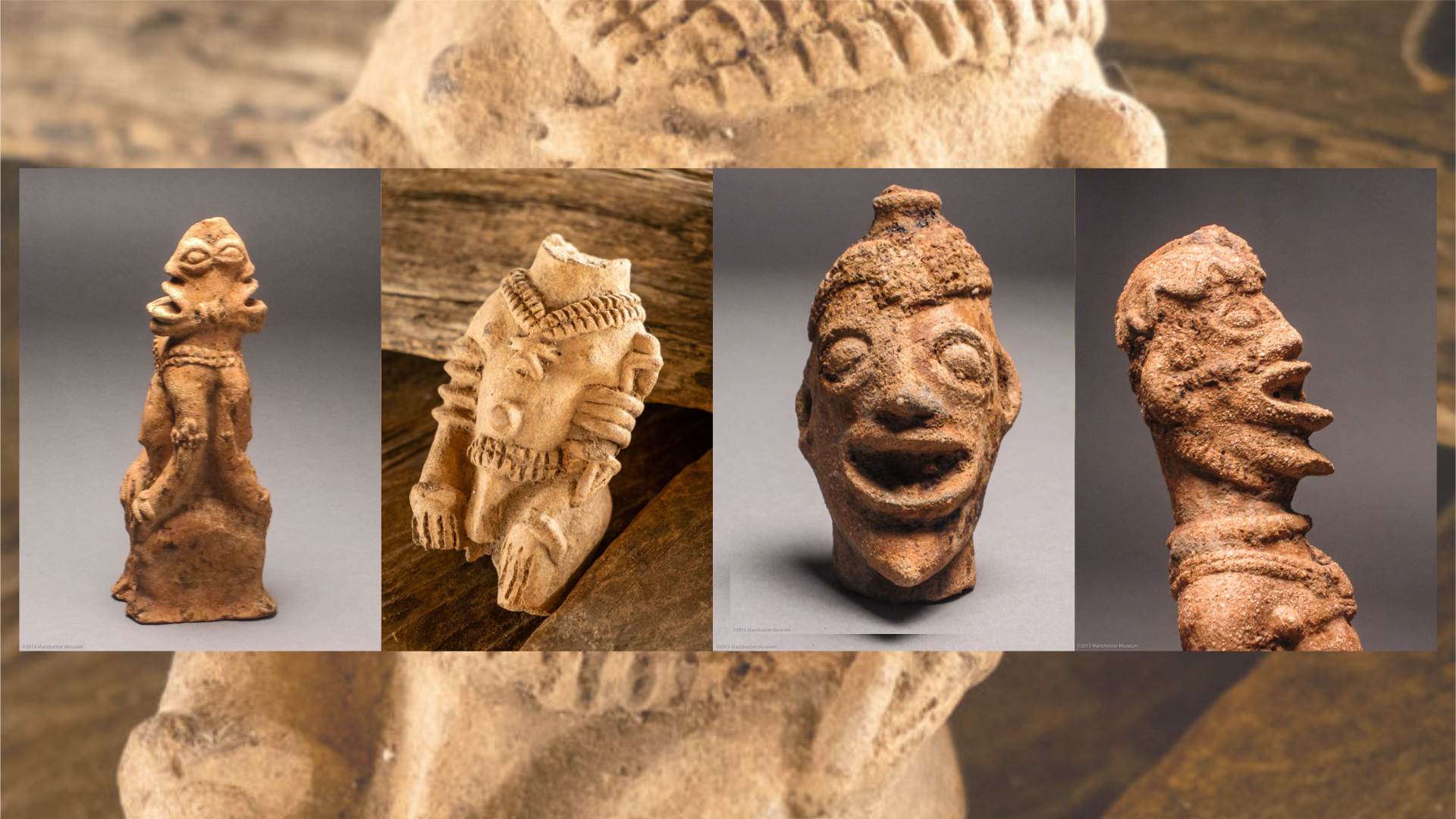
Deep in northern Ghana’s Koma Land, distinctive clay figurines tell a story of a civilisation from over a thousand years ago. These ancient sculptures, often small yet rich in detail, have captivated historians, archaeologists, and art enthusiasts alike.
The figurines were first discovered by chance in the Mamprugu Moagduri District, where local people digging for clay for their homes would occasionally unearth these curious statuettes.
The figures depict a variety of subjects, including people in different poses, animals, and scenes of riders on horseback. Locals call them kronkronbua, meaning “Olden Days Children” in the Koma language.
These artworks were created by a community that differs significantly from the inhabitants of the region today. Although much about the people who produced them remains a mystery, it is evident that they possessed skilled craftsmanship and lived as farmers who utilized iron tools.
Archaeological discoveries indicate that they resided in villages surrounded by mounds and stone circles, which likely held spiritual or ritual significance.
One intriguing belief is that some figurines were used in healing rituals. Many of these figurines have small holes, which may have been intended for pouring in substances used during ceremonies.
Whether these substances were medicines, offerings, or part of symbolic acts, the figurines played a significant role beyond mere decoration; they were integral to the spiritual world of their creators.
Unfortunately, the fate of this ancient civilization remains uncertain. The area was ultimately abandoned, possibly due to migration, disease, conflict, or the harsh impacts of slavery. What endures are these enchanting terracotta figures that continue to inspire and fascinate.
The discovery and study of the Koma figurines reveal insights into a lost culture and its connections to Ghana's rich and profound history. These figurines serve as a reminder of the creativity and beliefs of those who lived centuries ago, preserved in clay for future generations to appreciate and admire.
Discover more about the NorthEast region of Ghana below:
June 24, 2026

June 18, 2026

June 10, 2026

June 3, 2026

March 6, 2026

February 5, 2026

January 7, 2026

January 2, 2026

December 18, 2025

December 11, 2025