
Ghana Vs England at the 2026...
June 24, 2026

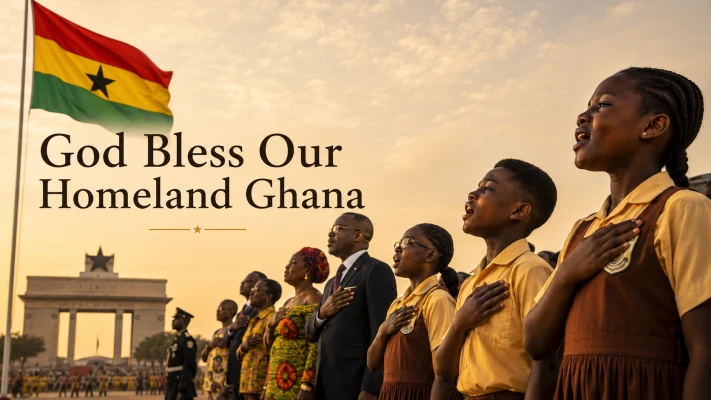
Ghana’s national anthem, “God Bless Our Homeland Ghana,” is closely tied to the birth of the modern Ghanaian state. When Ghana gained independence from British colonial rule on 6 March 1957, the country needed national symbols that could express its new identity, pride and hope.
As part of this process, a national competition was organised to select an anthem for the newly independent nation. Ghanaian musician and educator Philip Gbeho emerged as the composer whose work was chosen, helping to give the new nation a solemn and dignified sound at a historic moment in Ghana’s journey.
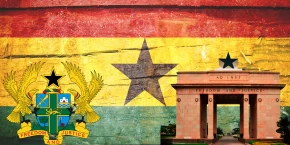
The anthem became part of Ghana’s national identity, together with the flag, coat of arms and other symbols of sovereignty.
Its music was composed by Ghanaian musician and educator Philip Gbeho, whose work helped give the new nation a solemn and dignified sound at a historic moment in Ghana’s journey.
The anthem also reflects Ghana’s transition from the colonial Gold Coast into an independent African nation.
At its independence, Ghana celebrated freedom from foreign rule and set an example for other African countries still seeking self-government.
For that reason, the anthem carries a message that is both national and African. It speaks of freedom, justice, strength and unity, values that were central to the independence struggle and remain important in Ghana’s public life today.
The words of the anthem make it more than a song for ceremonies. It is both a prayer and a pledge. It asks God to bless Ghana, strengthen the nation, and guide citizens to cherish honesty, humility, and courage. It also calls on Ghanaians to defend freedom and resist oppression.
This meaning is important because independence was not only about gaining political power but also about building a society where citizens protect the truth, serve the nation, and respect one another's dignity.
Today, the national anthem continues to bring Ghanaians together at schools, state ceremonies, public gatherings and sports events.
Whether sung by children in classrooms, athletes before international matches, or citizens at national celebrations, it reminds people of their shared duty to Ghana.
Each time it is sung, the anthem connects the past to the present and calls on Ghanaians at home and abroad to honour the country’s history while working together for a stronger, fairer and more united nation.
Read more about some of Ghana's iconic symbols and heritage:
June 24, 2026
June 18, 2026
June 10, 2026

June 3, 2026
March 6, 2026

February 5, 2026
January 7, 2026
January 2, 2026
December 18, 2025
December 11, 2025