
Ghana Vs England at the 2026...
June 24, 2026

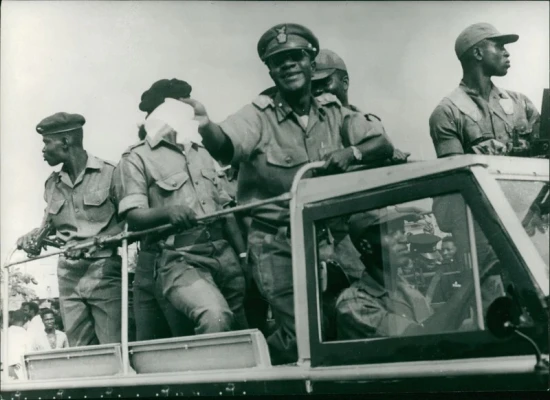
On January 13th 1972, Colonel Ignatius Kutu Acheampong led the National Redemption Council (NRC) in a bloodless coup, overthrowing Prime Minister K.A. Busia's Progress Party government. At the time, Ghana carried a foreign debt burden exceeding $1 billion, much of which stemmed from loans and agreements during Kwame Nkrumah's administration and was widely viewed as poorly managed.
Just weeks later, on February 5th 1972, Acheampong formally announced Ghana's repudiation of specific debts totalling $90-94 million owed to British firms. He described these obligations as fraudulent and corrupt, rooted in questionable deals from the Nkrumah era.
For the broader debt portfolio, the NRC unilaterally rescheduled repayments over 50 years, imposing a 10-year moratorium on principal and interest payments. This decision deliberately excluded negotiations with international financial institutions such as the IMF or World Bank.
The policy unfolded against a favourable economic backdrop. Global cocoa prices had more than doubled, with cocoa accounting for about 70% of Ghana's foreign exchange earnings. Timber exports provided additional revenue, enabling the government to finance essential imports, including rice, fuel, and other commodities, despite frozen credit lines from Western lenders following the repudiation.
Known colloquially as the "Yentua" policy, which translates to "we will not pay," the measure initially enjoyed strong public backing. Acheampong complemented it with food price subsidies to combat inflation and launched programs like Operation Feed Yourself to promote agricultural self-sufficiency.
However, implementation revealed limitations: importers faced cash-upfront requirements, subsidised goods were smuggled across borders to neighbouring countries, and Ghana largely operated without access to new external loans for several years.
Acheampong's approach reflected the NRC's emphasis on national sovereignty and economic independence, sustaining his regime's popularity through much of the 1970s until broader challenges mounted.
Explore other historical narratives in the collection below.
June 24, 2026

June 18, 2026

June 10, 2026

June 3, 2026

March 6, 2026
February 5, 2026
January 7, 2026
January 2, 2026
December 18, 2025
December 11, 2025