
Ghana Vs England at the 2026...
June 24, 2026

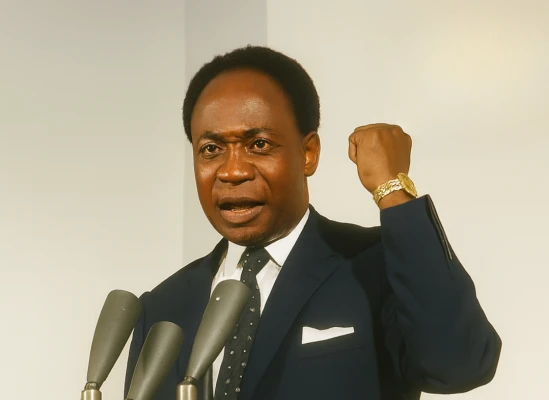
On 11 December 1956, a significant chapter in Ghana’s story unfolded far away in the chambers of the United Kingdom’s Parliament.
On that day, the Ghana Independence Bill was introduced and debated, setting in motion the legal process that would transform the Gold Coast into the independent nation of Ghana.
What had once been a dream and a political campaign now began to take shape in formal law. By this time, the Gold Coast had already shown it was ready to govern itself.
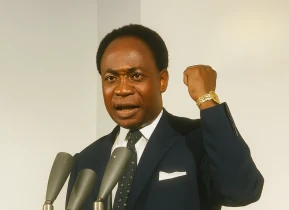
Kwame Nkrumah and his Convention People’s Party had secured strong electoral victories, giving clear proof of the people’s desire and readiness for full self rule.
The British government agreed, but independence required more than political promises. It needed a formal Act of Parliament.
The Bill presented on 11 December gave legal weight to the independence journey and laid out how the transition would take place.
Debates in Parliament focused on ensuring a smooth handover of power. Instead of tearing down existing institutions, the Bill allowed Ghana to inherit a functioning government structure that could support the young nation from day one.
This careful planning would later help Ghana stabilize quickly after independence.
Following further debates and revisions, the Bill received Royal Assent on 7 February 1957. This paved the way for 6 March 1957, the historic day when Ghana emerged as the first sub Saharan African country to gain independence in the era of modern decolonization.
The events of 11 December 1956 remain meaningful because they marked the moment when independence began shifting from hope to reality.
The introduction of the Ghana Independence Bill brought the Gold Coast closer to nationhood and helped inspire other African countries seeking their own freedom.
Explore notable events that shaped Ghana’s history below.
June 24, 2026

June 18, 2026

June 10, 2026

June 3, 2026
March 6, 2026
February 5, 2026
January 7, 2026
January 2, 2026
December 18, 2025
December 11, 2025