
Ghana Vs England at the 2026...
June 24, 2026

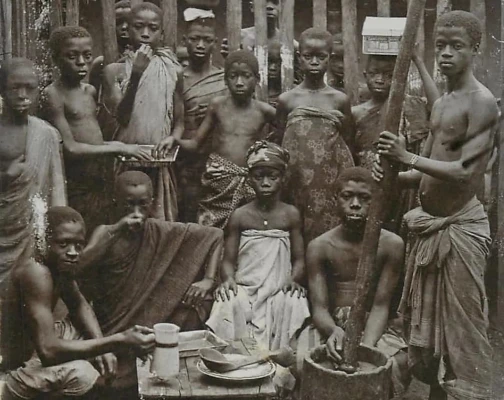
The migration of tribes to the Gold Coast (modern-day Ghana) occurred over centuries, with various ethnic groups arriving at different times due to wars, trade, and other factors.
While exact timelines can vary depending on sources, here's a general order of arrival based on historical accounts:
Guan
The Guan people are considered the earliest settlers in the Gold Coast, arriving around 1000 AD. They are believed to have migrated from the Sahel region and settled in various parts of modern Ghana, including the Gonja, Efutu, Larteh, and Anum areas.
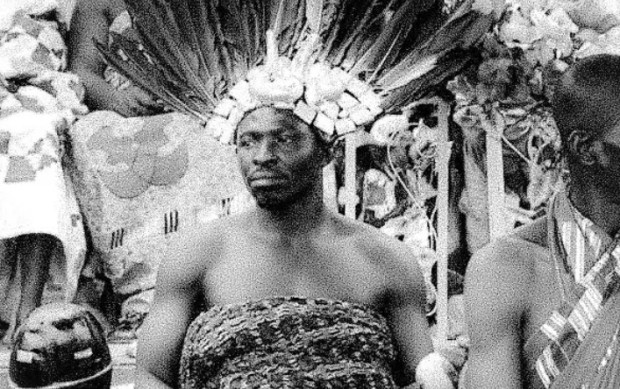
Mole-Dagbani (Dagomba, Mamprusi, Nanumba)
The Mole-Dagbani groups migrated from present-day Burkina Faso and settled in northern Ghana around the 13th century. They established powerful kingdoms, such as the Dagbon Kingdom.
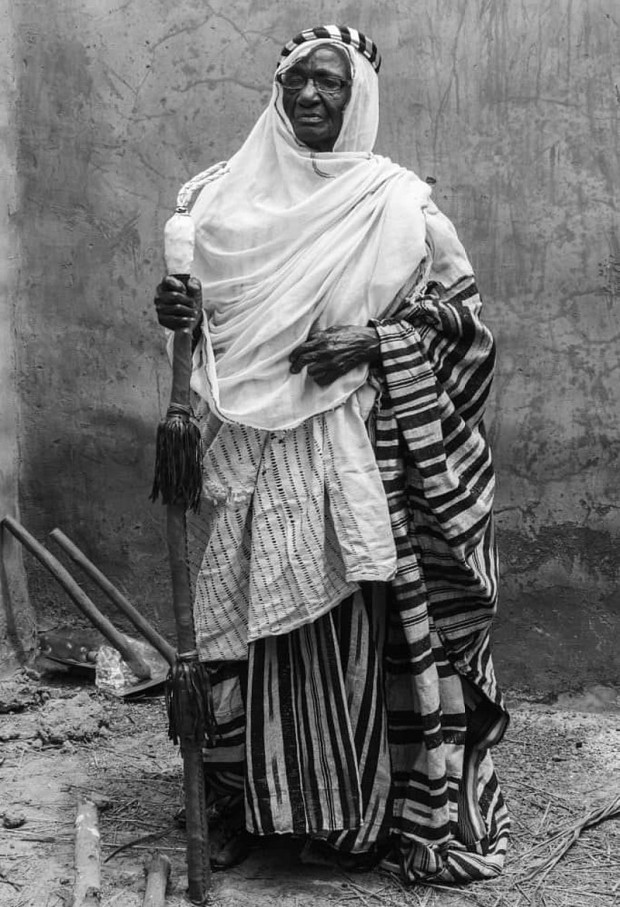
Ewe
The Ewe people migrated from Notsie in present-day Togo during the 14th and 15th centuries due to conflicts. They settled in southeastern Ghana, including areas like the Volta Region.
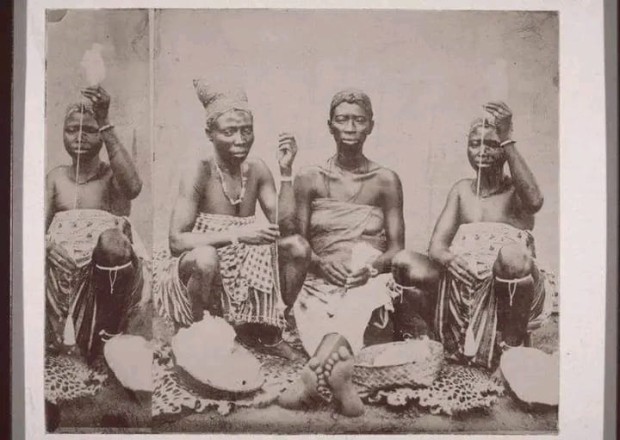
Akan
The Akan groups, including the Ashanti, Fante, Akyem, and Akuapem, are believed to have migrated to the Gold Coast between the 13th and 16th centuries. They came from the Sahel region and settled across southern Ghana, establishing influential states like the Ashanti Empire and Fante Confederacy.
Ga-Dangme
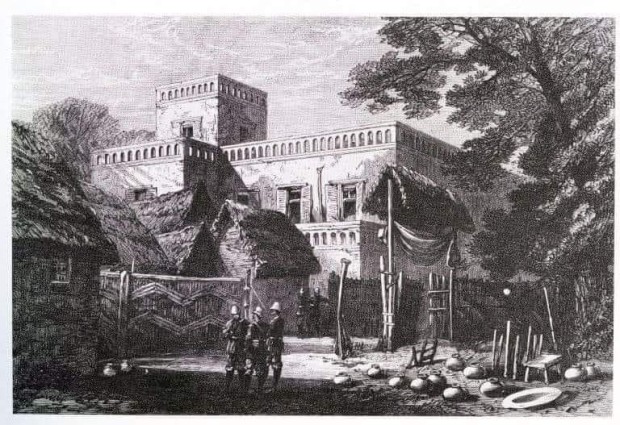
The Ga-Dangme people migrated from Nigeria and Benin areas, arriving in the Gold Coast during the 16th century. They settled along the southeastern coast, including Accra and surrounding areas.

Nzema and Ahanta
The Nzema and Ahanta groups are part of the Akan family but migrated later, settling in the southwestern coastal regions.
Hausa, Fulani and other migrant groups
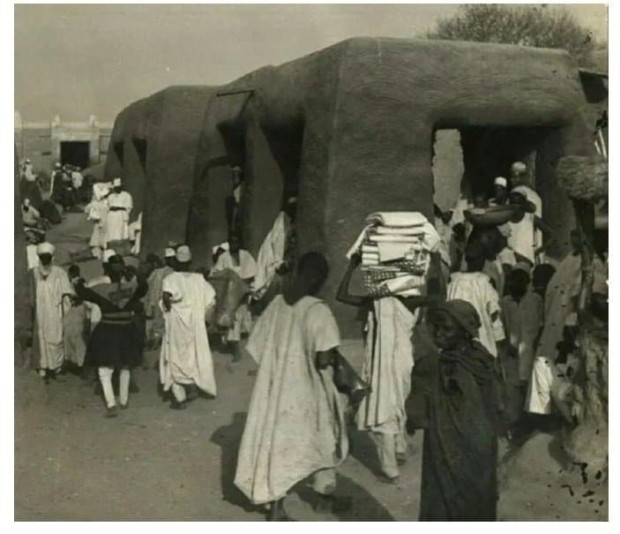
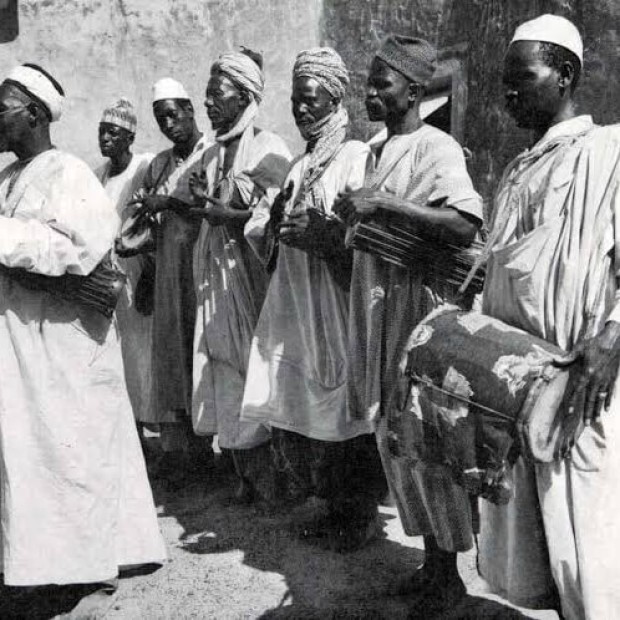
The Hausa and Fulani people arrived much later due to trade and religious activities, primarily during the 18th and 19th centuries. They played a significant role in introducing Islam to parts of the Gold Coast.
June 24, 2026

June 18, 2026

June 10, 2026

June 3, 2026

March 6, 2026

February 5, 2026

January 7, 2026

January 2, 2026

December 18, 2025

December 11, 2025